
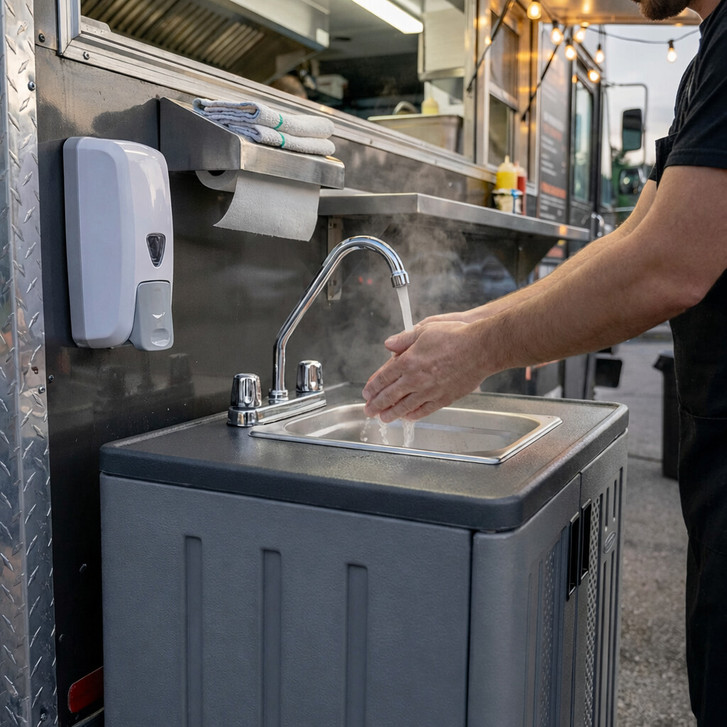
Access to soap and running water is the single most effective way to prevent the spread of illness. Whether on a construction site, at an outdoor festival, or in a busy classroom, the ability to wash hands effectively is a necessity for public health. While traditional plumbing serves us well indoors, the modern world often moves beyond the reach of standard pipes. This is where portable hand-washing stations become essential infrastructure for health, safety, and regulatory compliance.
This comprehensive guide explores the evolution of mobile sanitation, the engineering standards required for professional use, and the logistical considerations for maintaining hygiene in remote or high-traffic environments.
The Evolution of Modern Hand Washing Stations
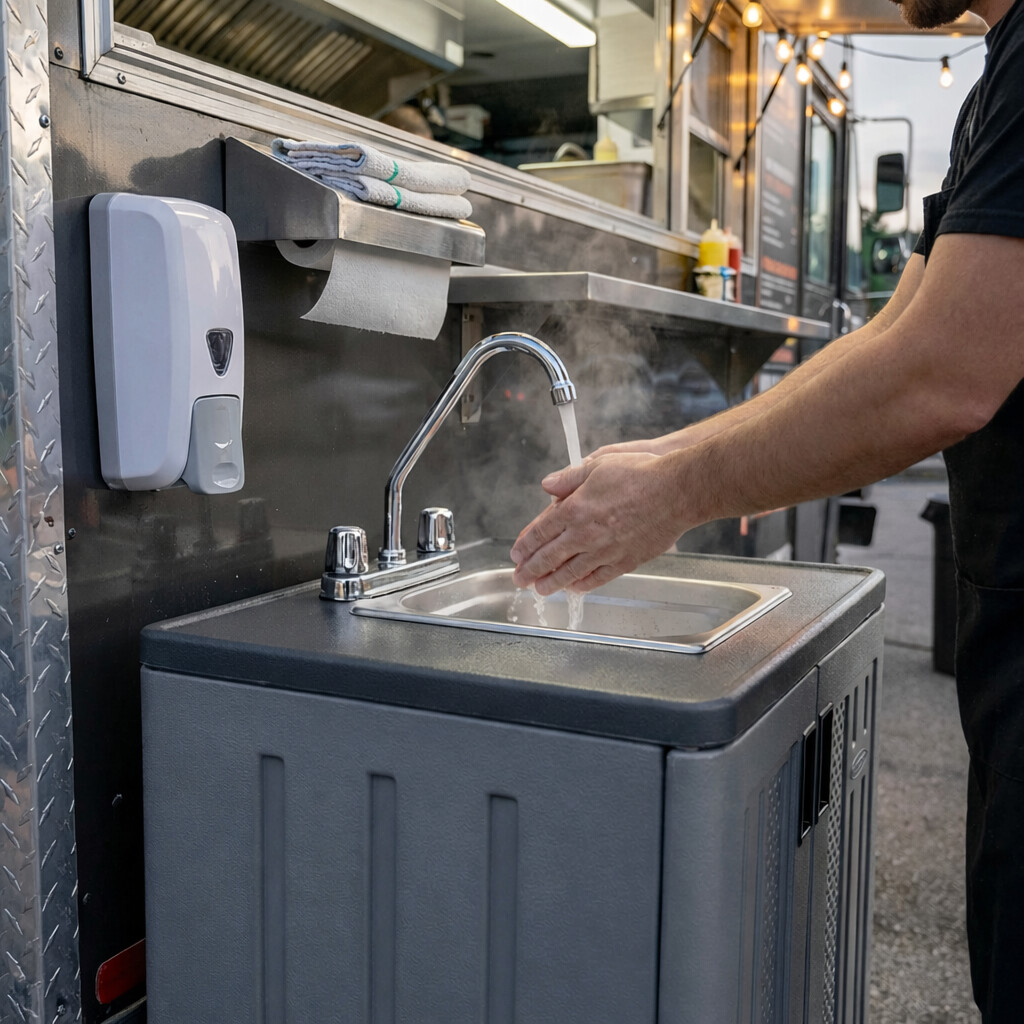
Historically, hand hygiene in outdoor or temporary settings was often an afterthought, involving simple gravity-fed water jugs or sanitizing gels. However, as public health standards have evolved, so has the technology behind these stations. A professional-grade hand washing station today is a precision-engineered system designed to provide a high level of sanitation comparable to a permanent indoor restroom.
The primary goal of these units is to replicate the wash and rinse experience. Research from global health organizations consistently shows that the mechanical action of scrubbing hands under running water combined with the chemical action of soap is significantly more effective at removing pathogens than hand sanitizer alone.
Consequently, industries ranging from agriculture to disaster relief have moved toward adopting full-scale portable hand-washing stations as their primary defense against the spread of infection.
Material Science: Durability in Industrial Environments
When selecting or designing a hand washing station for commercial use, the choice of materials is the most critical factor for longevity and sanitation. Non-porous surfaces are required to prevent the growth of bacteria and mold. This is why professional basins utilize high-quality stainless steel.
In the engineering world, the thickness of the steel is a measure of its durability. Professional units prioritize a thicker gauge to ensure the basin can withstand the daily impacts of heavy-duty use without denting or puncturing. Furthermore, the specific composition of stainless steel provides high levels of rust resistance, which is essential for equipment that is constantly exposed to water and cleaning chemicals.
Supporting the basin is the cabinet structure. In high-traffic or outdoor settings, a cabinet must be constructed from durable materials like industrial resin multiple-wall panels. Unlike standard materials, this industrial resin is often reinforced at the structural points to resist stains, scratches, and UV degradation. This ensures the unit remains stable and professional-looking even after years of being transported between job sites or events.
For environments requiring maximum sanitation and rigidity, a stainless steel cabinet provides a specialized alternative. These structures are ideal for medical facilities and high-volume kitchens because the metal is non-porous and naturally resists bacterial growth. Beyond its hygiene benefits, the reinforced construction offers a sleek aesthetic and superior resistance to heat and intensive cleaning protocols. This makes the stainless cabinet a long-term investment for professional settings where consistent cleanliness and structural strength are the highest priorities.
Navigating Regulatory and Health Department Compliance
For any business involving food service, child care, or medical outreach, a portable hand-washing station is more than a convenience. It is a legal requirement. Health departments across the country have strict mandates regarding how water is handled in temporary settings.
Temperature and Sanitation
Most health codes require that a hand washing station provide both hot and cold running water. This is because warm water is more effective at breaking down fats and oils that can trap bacteria on the skin. Professional portable units meet this need by integrating on-board electric water heaters. With an adjustable thermostat, operators can ensure they meet the specific heat requirements of their local jurisdiction, which often mandates a minimum temperature for handwashing.
Since health department regulations vary by city and state, it is important to consult with your local government agency to determine the applicable requirements before purchasing any equipment.
The Standard of the Dual-Tank System
A critical technical requirement for any portable hand-washing station is the complete separation of water sources. To prevent cross-contamination, the system must utilize a dual-tank configuration:
- Freshwater Tank: A dedicated container holding potable water.
- Wastewater (Greywater) Tank: A separate container designed to collect used water.
It is a common industry standard for the wastewater tank to be sized larger than the freshwater supply. This design ensures that the wastewater tank will not overflow before the freshwater tank is empty, preventing hazardous spills in public or food-service areas.
Comparing Fixed vs. Portable Solutions
While both serve the same hygienic purpose, the logistics of using permanent installations versus mobile units differ greatly.
|
Feature |
Permanent Hand Washing Stations |
Professional Portable Hand-Washing Stations |
|
Construction |
Fixed building materials |
Stainless steel & Industrial Resin |
|
Mobility |
Non-existent |
Highly mobile; easy to position |
|
Temperature Control |
Central building supply |
Internal adjustable thermostat |
|
Plumbing Requirement |
Trenching and pipework |
Self-contained; no external plumbing needed |
|
Maintenance |
Standard janitorial |
Daily water management; tank refills |
|
Deployment |
Costly construction |
Rapid response; ready for immediate use |
The Role of Pressurization and Safety
For a hand washing station to function effectively, it must provide consistent water pressure. This is achieved through commercial electric pumps that include backflow protection. Backflow prevention is a safety feature that ensures wastewater cannot travel back up into the freshwater lines, a critical fail-safe for maintaining a potable water supply.
Because these units often combine water and electricity, safety engineering is paramount. High-quality units utilize GFCI (Ground Fault Circuit Interrupter) protection to prevent electrical shocks. Furthermore, the use of non-conductive industrial resin for the cabinet provides an extra layer of safety, as it does not conduct electricity like a fully metal-housed unit might in a wet environment.
Advanced Design: The High-Rise Commercial Spout
The design of the faucet itself impacts the quality of the hygiene. A high-rise commercial spout is the preferred choice for a professional hand washing station. This design provides significantly more vertical space than a residential faucet, allowing users to wash all the way up to their forearms. This space is essential for food service workers, medical staff, and laboratory technicians who must adhere to the highest standards of cleanliness.
Strategic Placement: Improving Public Health Outcomes
Modern behavioral science has shown that the placement of hand washing stations significantly impacts how often people wash their hands. In environments like warehouses, construction sites, or large festivals, people are less likely to practice proper hygiene if they have to walk a long distance to a restroom.
By placing portable hand-washing stations at high-traffic entry points, near food service areas, or in the middle of active work zones, businesses can encourage individuals toward better habits. This leads to a measurable decrease in the spread of seasonal viruses and foodborne illnesses, ultimately protecting the productivity and safety of the group.
Maintenance and Durability for Longevity
To ensure a hand washing station remains a reliable asset, regular maintenance is required. However, the use of premium materials simplifies this process. Stainless steel and industrial resin are naturally resistant to mold and mildew. A chemical-resistant drain trap ensures that even if harsh industrial soaps or cleaners are used, the internal plumbing will not corrode or leak over time.
For businesses that move frequently, such as caterers or emergency response teams, the ease of deployment is a major advantage. These units are designed to be positioned, filled, and powered on with minimal effort, eliminating the need for expensive site preparation or professional plumbing contracts.
Frequently Asked Questions
Q: What makes a portable sink different from a standard sink?
A: A standard sink relies on building-wide plumbing and sewer lines. A portable hand-washing station is a self-contained system with its own water supply and wastewater storage, allowing it to function anywhere with a standard electrical outlet.
Q: How do these units handle wastewater safely?
A: Professional units use a wastewater tank larger than the freshwater tank. This ensures that the waste is captured safely without risk of overflow. The tanks are easy to remove and empty into an approved drainage site.
Q: Is the heating element safe for outdoor use?
A: Yes. Designed with GFCI protection, the heating elements are protected from the elements and safe for use in various weather conditions, provided the unit is plugged into a grounded outlet.
Q: Why is the grade of stainless steel important?
A: The quality of the steel determines how well the basin resists rust and dents. High-grade stainless steel is an industrial standard that provides a balance of strength and weight, ensuring the basin is durable enough for commercial use.
Q: How should the system be maintained during cold weather or winter months?
A: Proper seasonal care is vital for protecting pressurized components. All water must be removed from the system if temperatures drop to freezing. Residual water can freeze and expand, causing significant damage to the lines, pump, and heater.
Conclusion: Setting the Standard for Hygiene
Whether you are managing a construction site, a local school, or a bustling food truck, the quality of your hygiene equipment speaks to your commitment to safety. Investing in the right hand washing stations ensures that you meet legal requirements while providing a reliable service to your team and customers. For those seeking a high level of durability and compliance, Waterworks Concession Sinks offers a range of professional portable sinks and hand washing stations units designed for a lifetime of service.